Effective Moss Control with Ransley Turf Products
This article provides a comprehensive guide on identifying the causes of moss in lawns and implementing effective control strategies. It highlights how Ransley Turf products can help restore lawn health and prevent future moss growth.
Understanding Moss in Your Lawn
Moss is a common issue for many gardeners, often appearing as a dense, green carpet that competes with your grass. While it can be frustrating, it is important to understand that moss is usually a symptom of underlying lawn health issues rather than the primary problem. Moss thrives in damp, shaded, or compacted areas where grass struggles to establish a strong root system.
Why Does Moss Grow?
Several factors contribute to moss infestation:
- Poor Drainage: Waterlogged soil prevents grass roots from breathing and encourages moss growth.
- Shade: Areas with limited sunlight are ideal for moss, as grass requires more light to thrive.
- Compaction: Heavy foot traffic or poor soil structure leads to compaction, which restricts air and water movement.
- Low Fertility: A lawn lacking essential nutrients will become thin, leaving gaps that moss quickly colonizes.
Effective Moss Control Strategies
To effectively control moss, you must address the environmental conditions that allow it to flourish. A multi-faceted approach is the most successful.
1. Scarification
Removing existing moss is the first step. Scarification involves raking the lawn to remove dead moss and thatch. This process opens up the soil surface, allowing air, water, and nutrients to reach the grass roots.
2. Aeration
If your soil is compacted, aeration is essential. By creating small holes in the lawn, you improve drainage and encourage deeper root growth, making your grass more resilient against moss.
3. Targeted Treatments
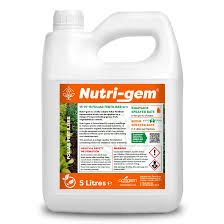
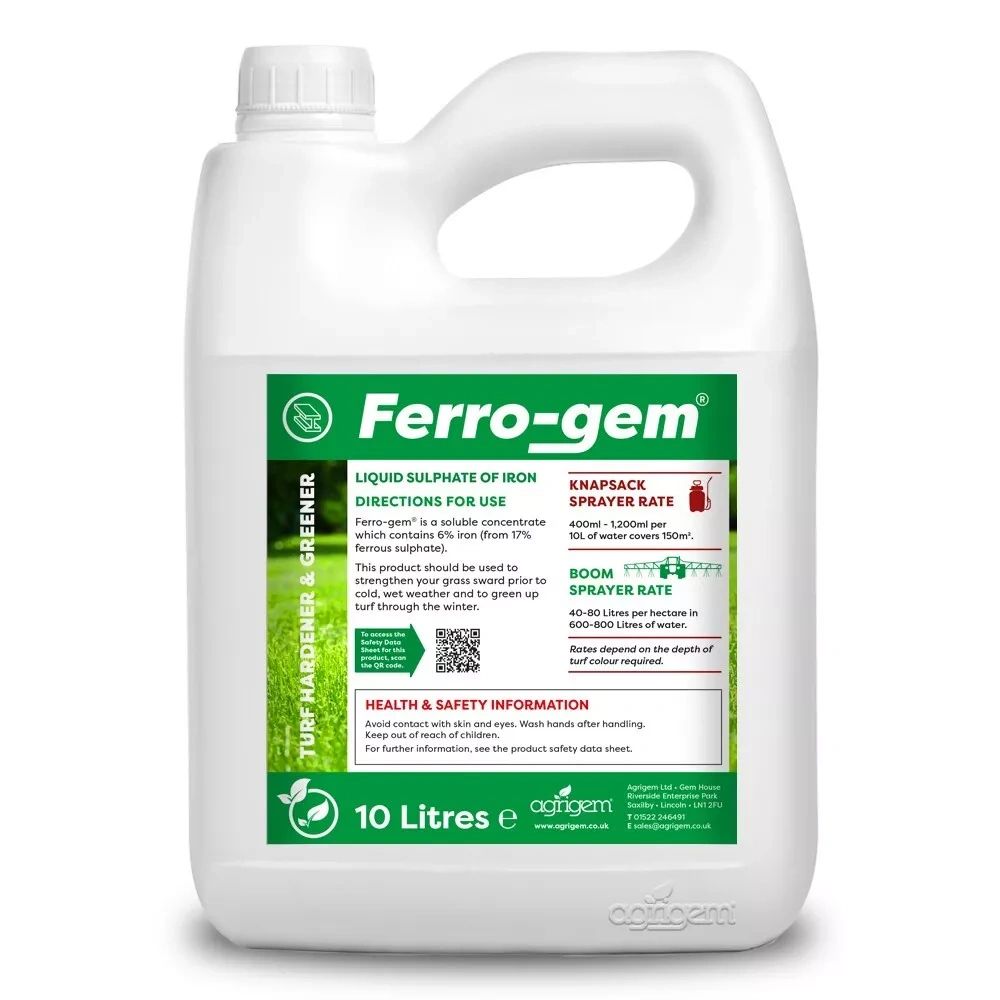
Using high-quality lawn treatments can significantly reduce moss populations. Ransley Turf offers a range of professional-grade products designed to kill moss while nourishing your grass. Regular application of iron-based treatments can blacken and kill moss, allowing you to rake it away easily.
4. Overseeding and Fertilisation
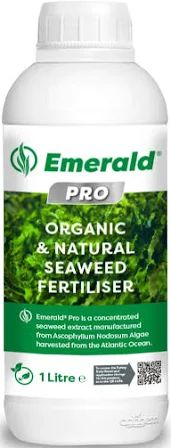
Once the moss is removed, it is vital to thicken your lawn. Overseeding with high-quality grass seed fills in the bare patches, while a balanced fertiliser program ensures your grass has the nutrients it needs to outcompete moss in the future.
Conclusion
Achieving a moss-free lawn is a process of improving the overall health of your turf. By addressing drainage, soil quality, and nutrition, you can create an environment where grass thrives and moss struggles to survive. Explore our range of lawn care products at Ransley Turf to get started on your journey to a healthier, more vibrant lawn today.